2. Scan QR codes
3. Record letters and solve the puzzle
4. Enter the drawing
Several Blue Compass displays featuring individuals with stories to share are located throughout the conference. When you spot one, simply scan the QR code to get to know a bit more about them and how FEI's Blue Compass solutions impact their lives. Each time you do, you'll receive a letter. Record the letters and solve the puzzle on the back of your Blue Compass card (if you don’t have one yet, just stop by booth 807 – we’ve got plenty). Then, bring the completed card to booth 807 for your chance to win a $250 Visa gift card.
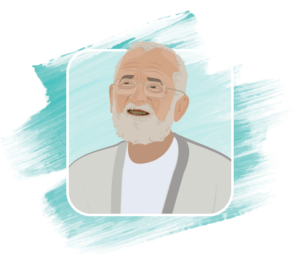
William
William is an 81-year-old retired auto mechanic with congestive heart failure. He lives alone in a small, two-bedroom home that he shared with his late wife. His granddaughter and her son lived with him for a time, and recently moved out. Since they moved away, daily living activities have become more difficult. William’s granddaughter is worried about his ability to care for himself now that he lives alone.
William receives Medicaid benefits for long-term services and supports (LTSS) programs in his state. He receives personal care assistance three times a week to assist with daily living.
Last week, Williams’ blood sugar became dangerously high, and he fell, resulting in a trip to the emergency room for a broken arm.
Incident Management Alerts
His case manager learns of William’s fall from the Blue Compass case management platform the state employs to track LTSS members’ plans of care. When the ER claim is filed, the Blue Compass platform recognizes William’s visit as a potential incident. The system flags the event, auto populates follow up forms with information from the ER claim and triggers the incident management workflow.
William’s case manager is alerted to the new event and the need to fill out a reportable event form. The case manager completes this form while on video chat with William, all within the Blue Compass platform.
As a follow up, a designated incident management staff member visits William’s home and conducts an IM investigation.
Continued Case Management
Following the IM report, the case manager reviews the documentation and Blue Compass business rules determine next steps for resolution, including reassessment of William’s plan of care.
As a result of the incident resolution process, William is diagnosed with type 2 diabetes.
With a new diagnosis and data analysis from Vantage Analytics, William’s case manager can make person-centered recommendations for changes to his plan of care. Since William is at risk for falls, the case manager determines his plan of care should include increased personal care assistance, skilled nursing and physical therapy.
Monday morning, William’s caregiver arrives at William’s apartment complex at 9:50. The caregiver checks off each service as she works with William, noting that today’s meal included an extra treat: a low-sugar chocolate chip cookie to safely satisfy William’s sweet tooth.
Blue Compass Incident Management
The Blue Compass incident management module is highly configurable to meet unique state requirements for tracking and reporting critical (abuse, neglect, exploitation) and non-critical (medication errors, rights violation, falls) incidents for long-term services and supports participants. Most notably, the Blue Compass incident management module features automated workflows that alert case managers of reported events and subsequent steps in the reporting, tracking and resolution processes. This allows for faster response time and promotes federal and state incident management timeline compliance. Upon implementation, the module also provides a historical view of all reported incidents and tracks suspected cases where serious injuries or other potential identifiers of abuse, neglect and exploitation occur, as determined by program administrators. Agency administrators can easily view data and reports from across the state and further sort by gender of participant, type of incident, date of report, provider, etc. These reporting tools help agencies understand incident trends and can inform prevention efforts.